November 21, 2026
Honey is a familiar part of many kitchens, appearing in tea, baked goods, sauces, and breakfast foods. Its sweetness may seem simple, but producing it depends on a complex relationship between flowering plants, pollinators, and the environment. Bees gather nectar as a food source, then transform and store it through a natural process that supports the colony. Appreciation for this process gives people a better understanding of the work behind every jar and the importance of protecting healthy bee populations.
The subject of bee control is often approached as a matter of removing insects from places where people live or work. Effective bee control, however, begins with identification. Honey bees play an important role in honey production and pollination, while a nest in an unsuitable location may still create a safety concern. Knowing the difference helps property owners make informed choices that respect both people and beneficial insects.
Understanding How Bees Collect Nectar
Honey production begins when worker bees visit flowering plants and collect nectar. Nectar is a sugary liquid produced by flowers, and it provides an energy source for bees. This movement supports pollination, helping many plants reproduce while the bee gathers the resources its colony needs.
After returning to the hive, a worker passes the collected nectar to other bees. The nectar is not yet the thick honey people recognize. Bees process it by transferring it between themselves and exposing it to airflow inside the hive.
The work requires coordination throughout the colony. Different bees contribute by foraging, receiving nectar, tending the developing young, maintaining the hive, and regulating its conditions.
Exploring the Transformation From Nectar to Honey
Nectar contains water as well as natural sugars. To make it suitable for storage, bees reduce its moisture content and add enzymes that change some of its sugars. The nectar is placed in the wax cells of the comb, where continued ventilation helps excess water evaporate. As the mixture thickens, it becomes more stable and less likely to ferment under normal hive conditions.
When the honey reaches the appropriate consistency, bees seal the cell with a thin wax covering. This capped honey serves as stored food for the colony. The wax protects the contents while allowing the hive to maintain an organized supply.
The flavor, color, and texture of honey can vary depending on the flowers visited by foraging bees. Nectar from different plants has its own characteristics, which influence the honey made from it. These natural variations are part of what makes honey distinctive, rather than evidence that every jar must taste or look the same. This natural process gives bee control discussions a useful ecological context.
The shape of the landscape influences this activity. A yard with a succession of flowering plants can offer food over a longer period, while a space dominated by hard surfaces may provide fewer resources. Trees, shrubs, garden beds, and uncultivated areas can all contribute when they contain suitable blooms.
Recognizing Why Honey Matters to People
Honey is valued for its taste, versatility, and long history as a food. People use it to sweeten drinks, add flavor to recipes, make glazes, and complement a range of ingredients. A small amount on a plate represents the activity of many bees and the flowering plants that provide their food.
According to HoneyBeeNet, people in the U.S. consume an average of around 1.3 pounds of honey annually. That demand connects household habits with the work of beekeepers and the health of bee colonies. Appreciating where honey comes from can encourage more thoughtful choices about gardens, outdoor spaces, and the way people respond when bees establish themselves nearby.
Honey also has a practical connection to seasonal rhythms. When flowers are plentiful, colonies can gather and process nectar for immediate needs and future use. When forage becomes scarce, stored honey helps sustain the bees. This relationship explains why the colony's food supply is important beyond the moment when nectar is collected.
For consumers, choosing honey from identifiable producers can also create a closer connection to the people who care for managed colonies. Beekeepers observe seasonal changes, monitor hive health, and make decisions about when honey can be harvested without overlooking the colony's needs. Asking questions about sourcing and production encourages greater awareness of the work involved. It also reminds consumers that honey is an agricultural product shaped by living pollinators and their surroundings.
Supporting Healthy Bee Activity Around Properties
Property owners can make outdoor areas more welcoming to pollinators by planting flowers that provide nectar and pollen. Good bee control also considers how outdoor spaces can remain safe for people. Choosing a variety of flowering plants can help make food available across changing seasons. Avoiding unnecessary disturbance around active blooms and limiting the use of pesticides also reduces potential pressure on beneficial insects.
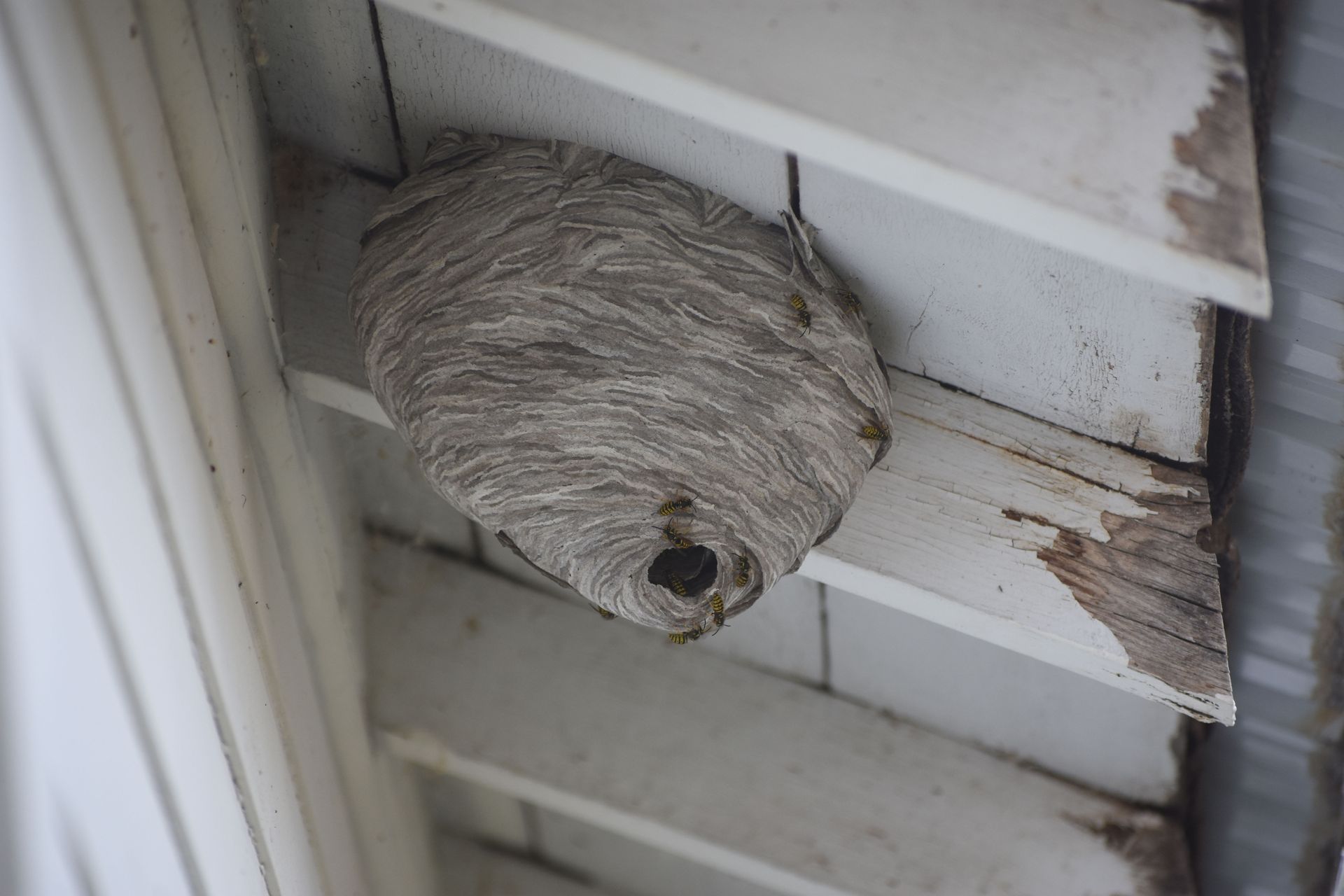
It is equally important to understand that bees may establish colonies in places that create practical concerns. A hive inside a wall, near a doorway, or close to a frequently used outdoor area can bring people and insects into conflict. Children, pets, visitors, or anyone with a sting allergy may face additional risks when a colony is located near regular activity.
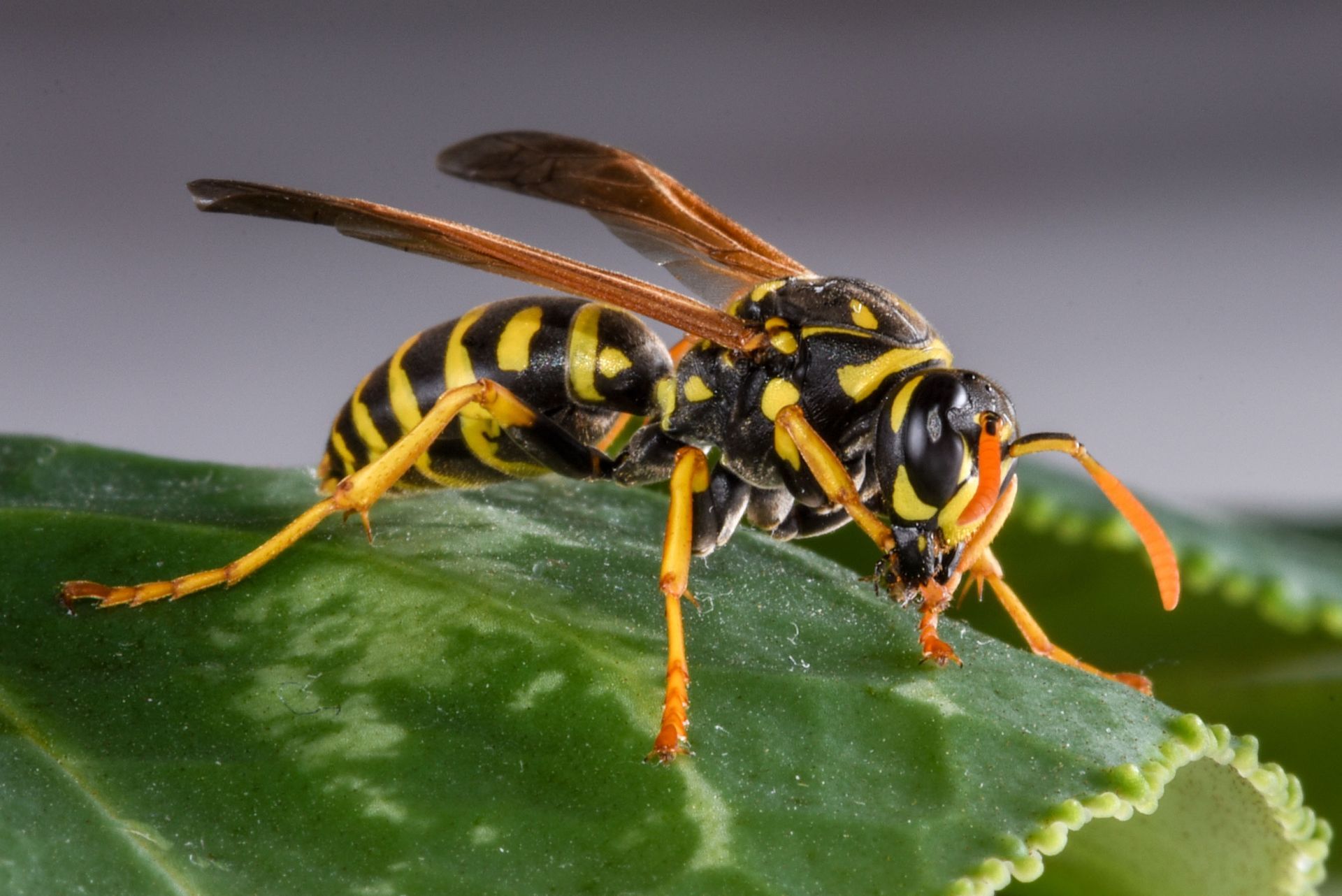
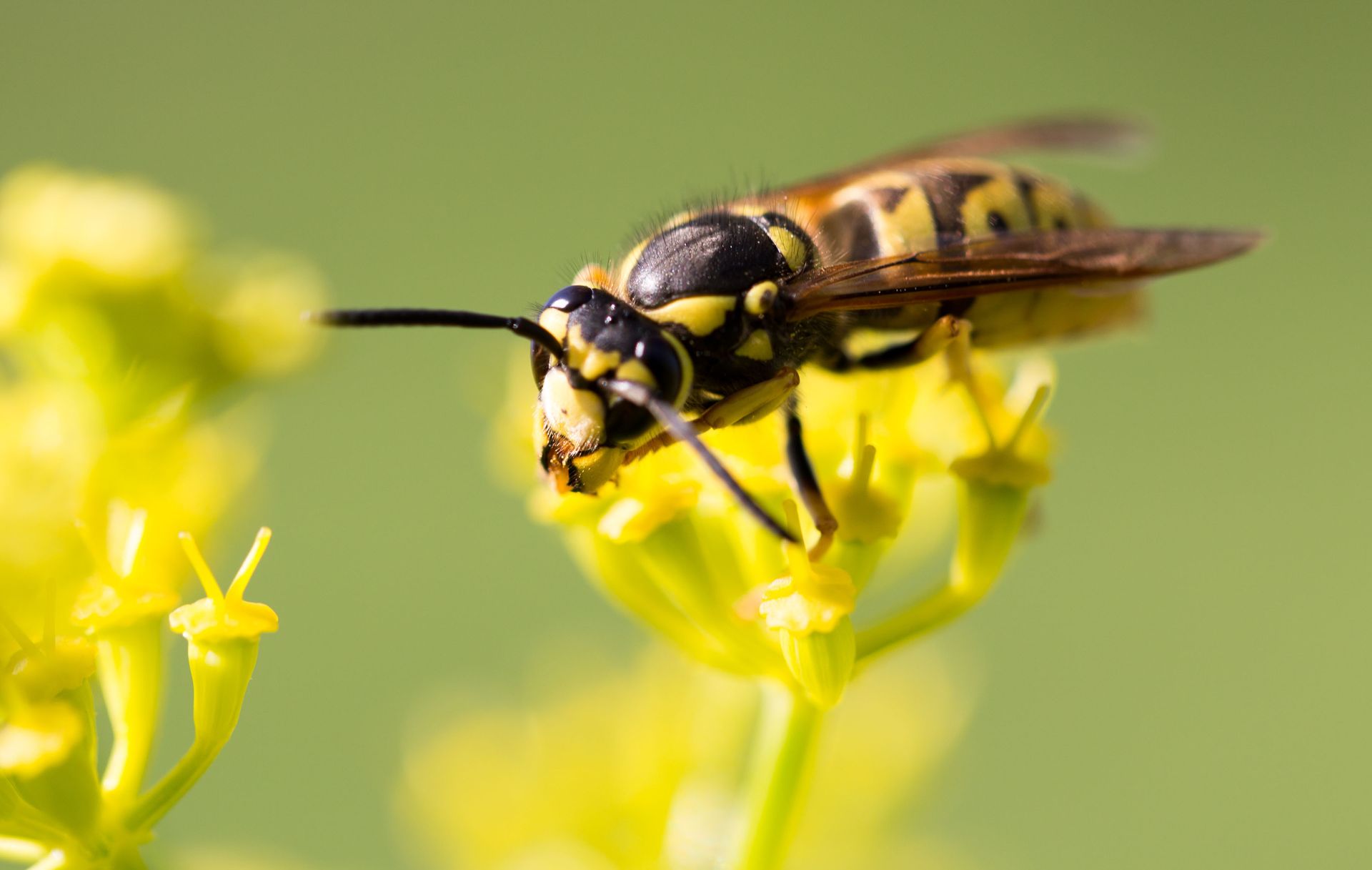
Thoughtful bee control starts with identifying what is present rather than assuming every flying insect is a honey bee. Wasps and other stinging insects may look similar from a distance, but their behavior and the appropriate response can differ.
Choosing a Responsible Response to a Hive
When a colony appears in an inconvenient location, a professional assessment can help determine the safest next step. An experienced specialist can evaluate the insects, locate the nesting area, and consider how close it is to people and routine activity.
A responsible plan should account for the type of insect and the circumstances at the property. Where honey bees are involved, relocation may be an option depending on the colony's condition, access to the hive, and local requirements. Other situations may call for a different approach. A qualified provider can explain the available options and the precautions needed to protect occupants while addressing the concern.
Homeowners should avoid trying to remove a colony themselves. Disturbing a hive can provoke defensive behavior, and products applied without proper identification may fail to address the source of the problem. Sealing an opening while bees remain inside can also create complications.
Encouraging Coexistence With Beneficial Pollinators
A balanced approach recognizes that bees can be valuable in the environment while still requiring careful management when they nest too close to people. This is the central aim of responsible bee control.
People can also help by learning to observe bees without interfering with them. Foraging bees visiting flowers are generally focused on gathering resources, so giving them space is often sufficient. A steady stream of insects entering and leaving a fixed opening, on the other hand, may indicate a colony that deserves professional attention.
Responsible bee control is not simply about eliminating an inconvenience. It involves understanding the role of pollinators, recognizing when a colony presents a genuine concern, and choosing a response suited to the situation.
For help evaluating a bee concern and determining an appropriate next step, contact Bee Control Northwest. A professional assessment can clarify what is nesting on the property and how to address it safely. Take action early, keep people at a safe distance, and get knowledgeable guidance before disturbing a hive.