March 18, 2026
Yellow jackets are aggressive, fast-moving insects that pose a serious threat to outdoor activities, especially in late summer and early fall. Their stings are painful, and their defensive behavior can turn a casual picnic or backyard gathering into a potentially dangerous encounter. Understanding yellow jacket behavior and implementing effective yellow jacket control strategies is essential for protecting your family, pets, and property. From recognizing seasonal patterns to proactively preventing infestations, there are actionable steps you can take to minimize risk. By taking a comprehensive approach—including proper food management, habitat awareness, and safe removal techniques—you can enjoy outdoor spaces without fear. This guide covers six key areas that are essential to keeping yellow jackets in check while maintaining safety and peace of mind.
1. Understand Yellow Jacket Behavior
Yellow jackets follow a predictable lifecycle that influences their aggression and feeding habits. In spring, the queen emerges from hibernation and establishes a new nest, laying the first batch of eggs that become worker wasps. During early summer, the colony grows rapidly, increasing their foraging activity and human interactions. By late summer and early fall, the colony reaches its maximum size, and scarcity of food triggers heightened aggression, making these months the most dangerous. Understanding these stages is critical for effective yellow jacket control.
Dietary changes throughout the season further affect behavior. Early in the year, yellow jackets focus on protein-rich insects to nourish their growing brood. By late summer, they shift to carbohydrate-rich foods like fruits, soda, and sweet human foods to sustain adult members and prepare new queens for hibernation. Recognizing these shifts helps you predict where yellow jackets are likely to gather and which preventative measures will be most effective. According to The Business Research Company, understanding these pest lifecycles is crucial, as the pest control market is projected to reach $37.48 billion by 2029, reflecting the growing need for efficient solutions. By studying behavior, you can plan interventions that reduce risk and increase the success of yellow jacket control efforts.
2. Identify Nest Locations
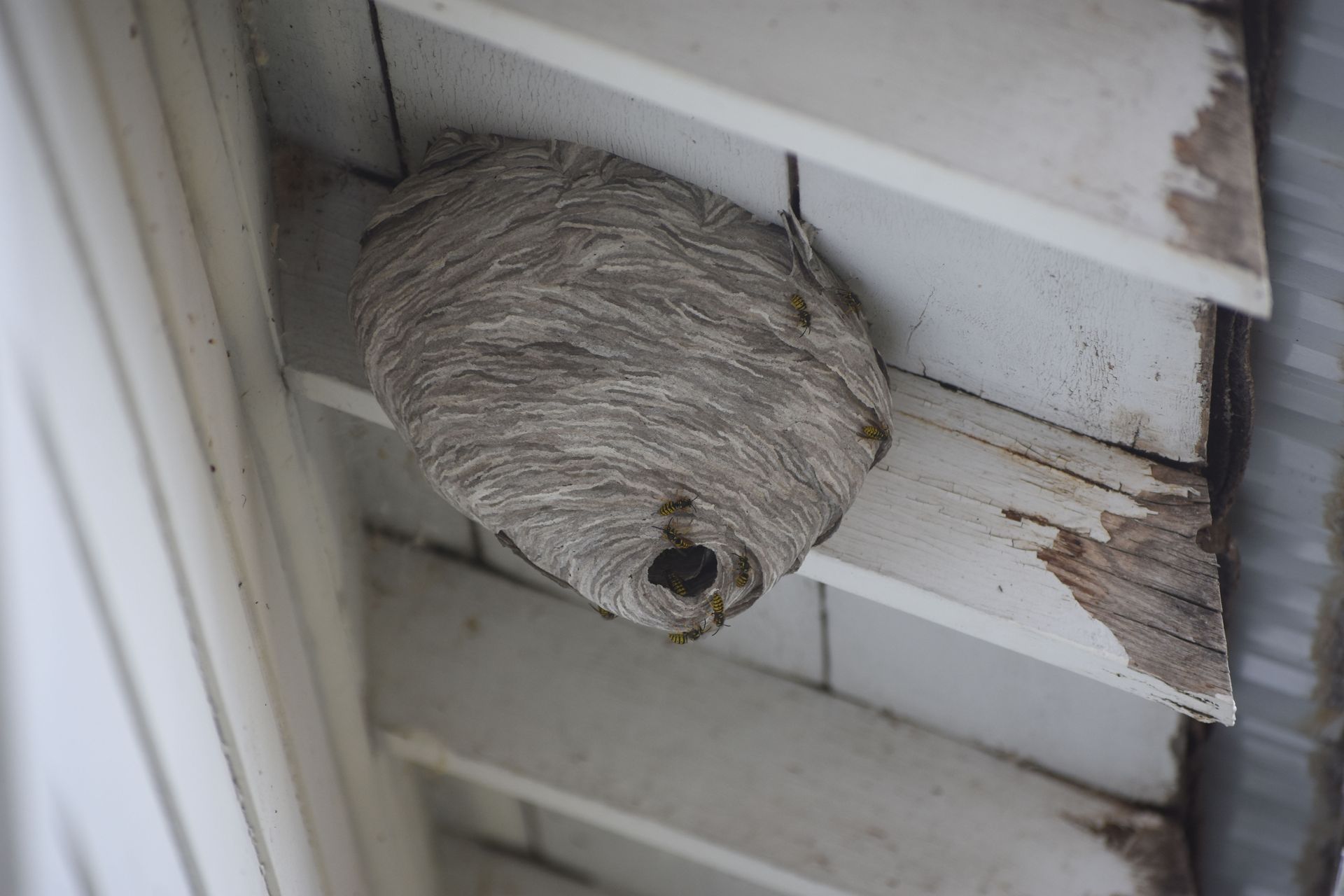
Finding yellow jacket nests is one of the most important steps in controlling these aggressive insects. Yellow jackets prefer hidden locations that offer shelter and proximity to food sources. Common nest sites include underground burrows in lawns, hollow tree stumps, woodpiles, and densely planted garden areas. In urban settings, they may nest inside wall cavities, attics, or abandoned rodent dens. Observing flight patterns—particularly repetitive paths into and out of the nest—can help you pinpoint locations early, before the colony expands to dangerous numbers.
Early detection of nests allows for safer management and more effective yellow jacket control. Attempting DIY removal without proper knowledge or protective equipment is risky, as yellow jackets vigorously defend their nests. Professional pest control services can eliminate nests safely while providing additional preventive measures to reduce the risk of re-establishment. Even when managing nests yourself, combining observation with preventative strategies, such as natural repellents or traps, enhances safety. Being proactive and informed about nest locations is a crucial component of minimizing human interaction with these aggressive insects.
3. Implement Preventative Measures
Prevention is the cornerstone of yellow jacket control. Proper food management is one of the most effective strategies. Sugary foods, protein-rich snacks, and open beverages are major attractants, especially during picnics, barbecues, and outdoor events. Using sealed containers, covering drinks, and promptly cleaning up crumbs or spills can reduce attraction. Keeping trash bins closed and removing leftover food ensures yellow jackets have fewer reasons to approach human spaces.
Maintaining a clean outdoor environment further enhances prevention. Regularly sweep patios, decks, and picnic areas to eliminate residual food sources. Dispose of compost or fallen fruits promptly, and keep pet food indoors. Strategic planting can also serve as a natural deterrent. Herbs like mint, eucalyptus, pennyroyal, and wormwood emit scents yellow jackets avoid. Placing these plants around patios, play areas, or garden perimeters can create a natural barrier. These preventative steps reduce human contact and make it easier to manage yellow jacket populations while minimizing reliance on chemical solutions. By combining cleanliness, plant selection, and food management, you create a safer outdoor environment and strengthen your yellow jacket control strategy.
4. Seal Entry Points to Your Home
Yellow jackets are skilled at finding access points into homes and structures. Basements, attics, gaps in siding, or openings around doors and windows are prime targets. Sealing these areas prevents nests from forming indoors, significantly reducing risks. Inspect your home regularly for cracks, holes, and weathered areas, and use caulk, weather stripping, or wire mesh to secure vulnerable points. Maintaining structural integrity year-round ensures yellow jackets cannot gain easy entry, even during peak seasons.
Seasonal inspections are essential because weather changes can create new vulnerabilities. Cold winters and wet summers may cause cracks or expand openings that were previously sealed, providing opportunities for scouting wasps. In addition, vent and chimney openings should be screened to prevent access while maintaining proper airflow. By prioritizing home maintenance and preventative measures, you minimize encounters with yellow jackets indoors. When paired with outdoor cleanliness and food management, sealing entry points creates a comprehensive approach to yellow jacket control, protecting both your home and your family.
5. Use DIY Deterrents
DIY deterrents offer effective ways to supplement yellow jacket control while minimizing chemical use. Natural repellents, such as essential oils from peppermint, clove, and lemongrass, can be mixed with water and sprayed around entry points or outdoor areas. Regular application maintains effectiveness and is safe for families, pets, and the environment. These oils create aromatic barriers that discourage yellow jackets from approaching spaces where humans gather.
Homemade traps are another powerful tool. Using plastic bottles baited with sugar water, fruit juices, or jams attracts yellow jackets seeking carbohydrates in late summer. Entry funnels allow insects to enter but prevent escape, gradually reducing population numbers. Adjust bait based on seasonal dietary preferences: protein-based baits work best in spring, while sugar-based baits are more effective in late summer. Monitoring traps ensures non-target insects are not impacted. By combining natural repellents and homemade traps with careful observation and hygiene practices, you can actively participate in yellow jacket control and reduce risk without relying heavily on professional chemicals.
6. Prepare for Seasonal Changes
Yellow jacket activity fluctuates throughout the year, affecting how and when to implement control measures. Spring and early summer focus on protein-rich diets, with the colony building and workers foraging extensively. Late summer to early fall marks the peak of aggression and carbohydrate-seeking behavior. Recognizing these shifts allows for timely placement of traps, targeted application of repellents, and careful management of outdoor gatherings.
Seasonal preparation includes increased vigilance for nest locations, more frequent inspections of home entry points, and intensified waste management. Outdoor activities should consider protective clothing and minimized food exposure. By anticipating seasonal behavioral changes, you can apply preventive strategies before problems escalate. Understanding the timing and lifecycle of yellow jackets ensures your efforts in yellow jacket control are both proactive and effective, keeping your property and family safe throughout their most active months.
Effective yellow jacket control combines understanding behavior, early detection, preventative measures, and timely interventions. By maintaining clean outdoor areas, securing food, sealing entry points, and using natural deterrents and DIY traps, you can significantly reduce the risk of stings and infestations. Seasonal awareness and proactive strategies make your home and yard safer, allowing for worry-free enjoyment of outdoor spaces. For professional assistance and reliable yellow jacket control, trust Bee Control Northwest to protect your property and loved ones from these aggressive pests.