April 2, 2026
Managing unwanted bee activity around homes and businesses requires a thoughtful approach that prioritizes both human safety and environmental responsibility. While bees play an essential role in pollination and ecosystem health, they can also pose risks when they nest in high-traffic areas or within structures. This creates a unique challenge that requires careful handling, expertise, and a commitment to sustainable practices. Professional bee exterminators understand this balance and work to protect people while minimizing harm to beneficial pollinator populations.
In recent years, the conversation around bee management has shifted toward more eco-conscious solutions. Property owners are increasingly aware of the importance of preserving pollinators while still addressing immediate safety concerns. This has led to the development of modern techniques that focus on relocation, prevention, and targeted intervention rather than broad, harmful methods. By combining safety protocols with sustainability efforts, bee exterminators provide a responsible path forward that respects both human needs and environmental impact.
Understanding the Role of Bees in the Ecosystem
Bees are one of the most important contributors to global food production and biodiversity. They are responsible for pollinating a significant portion of the crops and plants that sustain both wildlife and human populations. Without bees, ecosystems would struggle to maintain balance, and food systems would face serious challenges. This makes it critical for bee exterminators to approach their work with a deep understanding of the ecological value these insects provide.
Because of this importance, responsible professionals aim to preserve bee populations whenever possible. Instead of defaulting to elimination, they assess each situation carefully to determine the most appropriate course of action. This often involves identifying the species, understanding its behavior, and evaluating whether relocation is a viable option. By prioritizing ecological awareness, bee exterminators help ensure that necessary interventions do not disrupt broader environmental systems.
Identifying When Intervention Is Necessary
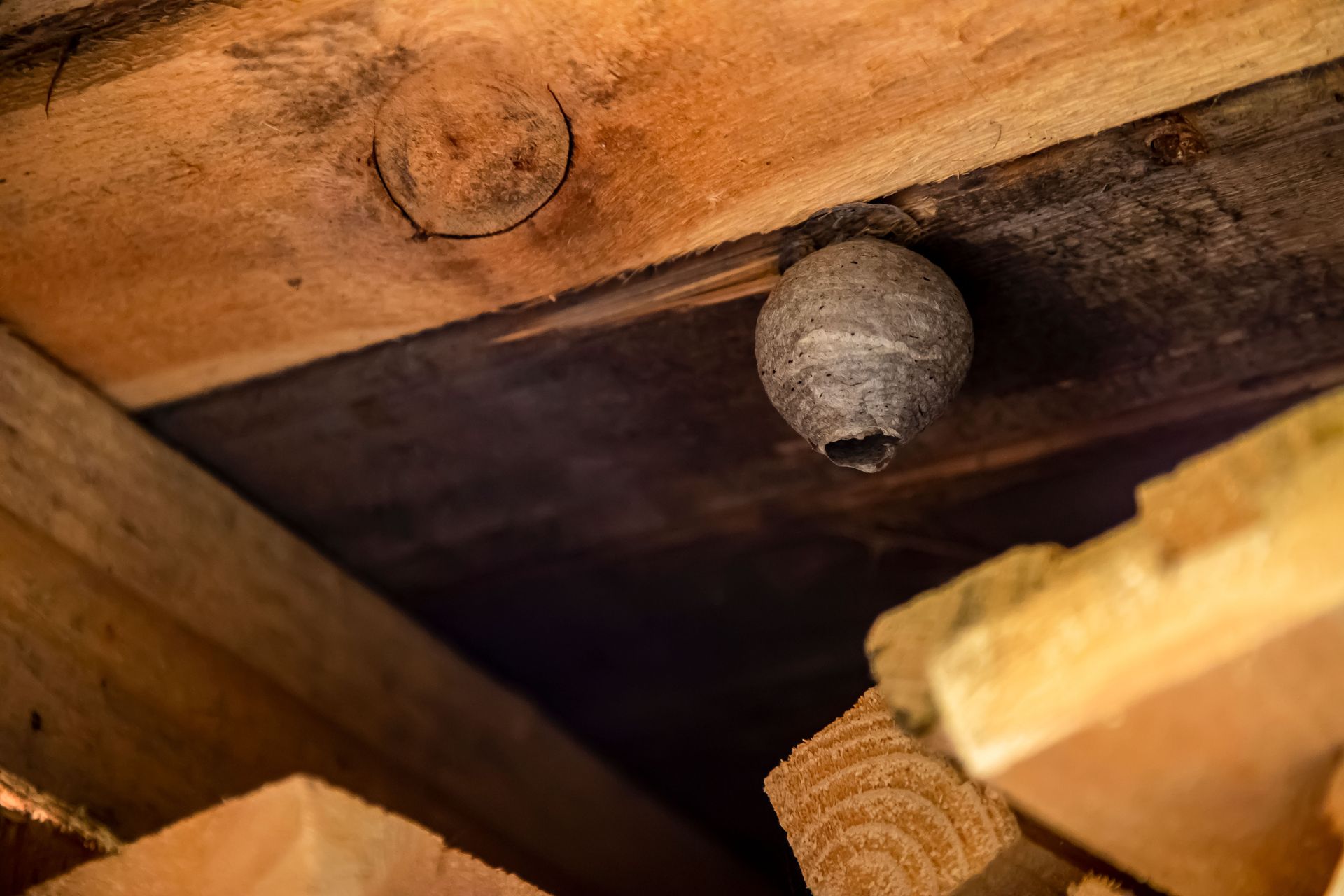
Not every bee presence requires immediate action, and understanding when intervention is truly needed is a key part of responsible management. Bees that are simply passing through or foraging in a yard typically pose little risk and should be left undisturbed. However, problems arise when colonies establish themselves in walls, attics, or other structural areas where they can cause damage or increase the likelihood of human contact.
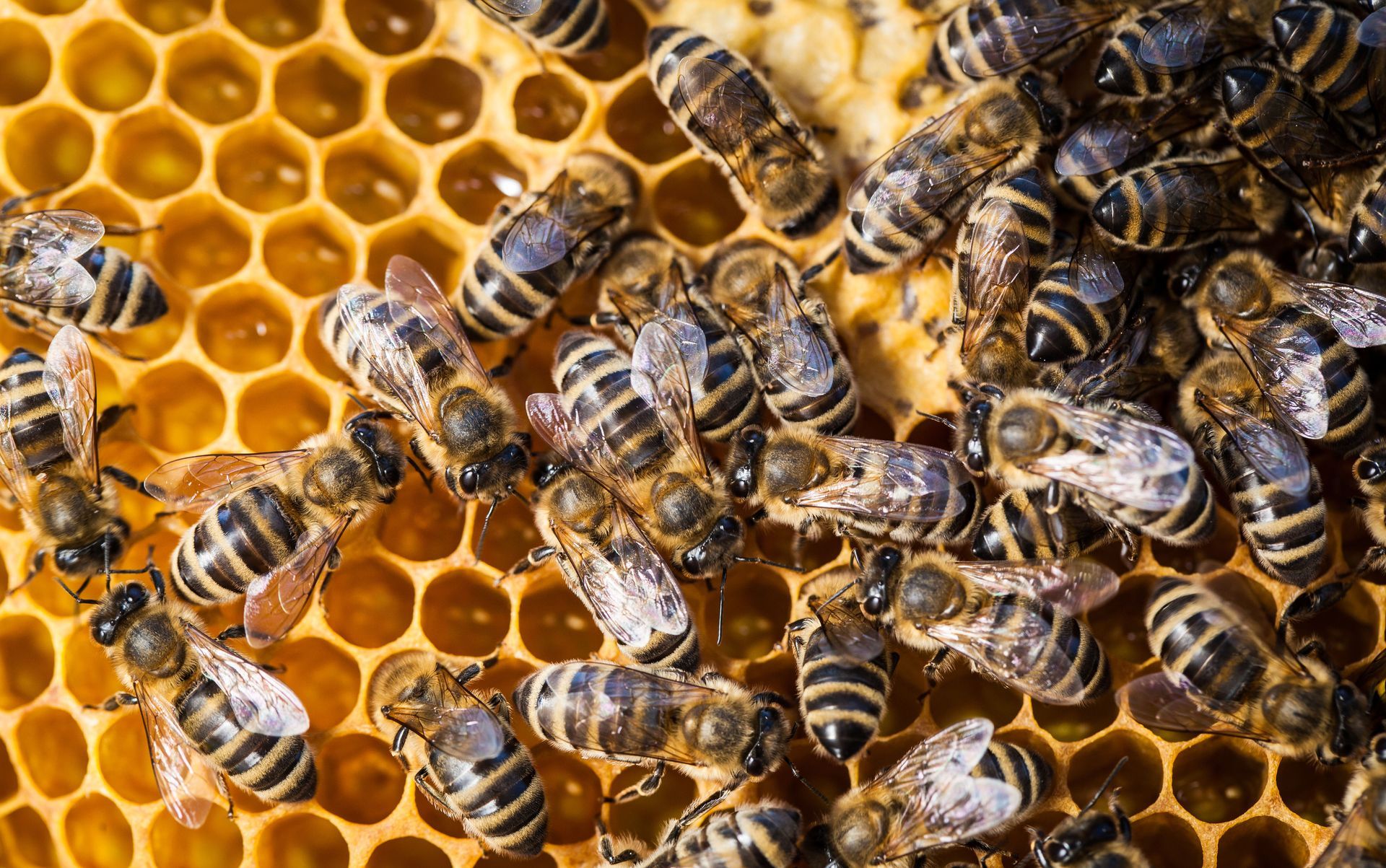
In these situations, bee exterminators evaluate factors such as colony size, location, and proximity to people. According to HoneyBeeNet, an average beehive contains about 50,000 bees, and a single forager collects nectar from roughly 2 million flowers to produce just one pound of honey. This highlights both the scale of a colony and the importance of handling it carefully. Large colonies can become dangerous if disturbed, which is why professional assessment is essential for determining the safest and most sustainable solution.
Prioritizing Relocation Over Elimination
One of the most significant shifts in the industry has been the emphasis on relocating bees rather than eliminating them. Whenever possible, bee exterminators partner with beekeepers or specialized relocation services to safely remove colonies and transport them to more suitable environments. This approach protects both the bees and the people affected by their presence, creating a win-win scenario.
Relocation requires specialized skills and equipment to ensure that the queen and the majority of the colony are safely captured. Without proper handling, bees may scatter or attempt to rebuild in the same location. By using careful extraction methods, professionals can preserve the colony's structure and improve the chances of successful relocation. This commitment to humane practices reflects a broader focus on sustainability within the field.
Using Targeted and Environmentally Responsible Methods
When relocation is not possible, bee exterminators must rely on targeted methods that minimize environmental impact. This involves using treatments that are specifically designed to address the problem without harming surrounding wildlife or contaminating the area. Broad-spectrum pesticides are avoided whenever possible in favor of more controlled solutions that reduce collateral damage.
These environmentally responsible approaches also consider the long-term health of the property and its surroundings. Professionals take care to apply treatments in a way that prevents unnecessary exposure to pets, plants, and beneficial insects. By focusing on precision and restraint, bee exterminators can resolve issues effectively while maintaining a commitment to sustainability.
Ensuring Safety for Occupants and Technicians
Safety is always a top priority when dealing with bee infestations, especially in residential or commercial settings. Bees can become aggressive when their colony is threatened, increasing the risk of stings and allergic reactions. Bee exterminators use protective gear, specialized tools, and proven techniques to manage these risks and ensure that the removal process is conducted safely.
In addition to protecting themselves, professionals also implement measures to safeguard property occupants. This may include temporarily restricting access to certain areas, sealing entry points, and providing clear instructions on how to avoid disturbing the bees. By taking these precautions, bee exterminators create a controlled environment that reduces the likelihood of accidents during the removal process.
Preventing Future Infestations Through Structural Solutions
Addressing an active bee problem is only part of the solution; preventing future infestations is equally important. Bee exterminators often conduct thorough inspections to identify vulnerabilities in a property that may attract bees. Common entry points include gaps in siding, rooflines, and vents, all of which can provide ideal nesting opportunities.
Once these areas are identified, professionals recommend or implement repairs to seal potential entry points. This proactive approach helps ensure that bees do not return to the same location after removal. By combining immediate action with long-term prevention strategies, bee exterminators provide a more comprehensive and sustainable solution for property owners.
Educating Property Owners on Coexisting With Bees
Education plays a crucial role in balancing safety and sustainability. Many property owners are unaware of how their actions can attract or disturb bees, leading to unnecessary conflicts. Bee exterminators often take the time to explain best practices for coexisting with these important pollinators, such as maintaining landscaping, managing water sources, and avoiding the use of certain chemicals.
This guidance empowers individuals to make informed decisions that reduce the likelihood of future issues. It also helps foster a greater appreciation for the role bees play in the environment. By promoting awareness and responsible behavior, bee exterminators contribute to a more sustainable relationship between people and pollinators.
Adapting to Evolving Environmental Standards
The field of pest management continues to evolve as new research and environmental standards emerge. Bee exterminators must stay up to date with these changes to ensure that their practices align with current guidelines and expectations. This includes adopting new technologies, refining techniques, and participating in ongoing training.
As sustainability becomes an increasingly important priority, professionals are finding innovative ways to reduce their environmental footprint. This may involve using eco-friendly products, improving relocation success rates, or developing new methods for safely managing bee populations. By staying adaptable and informed, bee exterminators can continue to provide effective services while supporting broader environmental goals.
At Bee Control Northwest, we understand the importance of protecting both your property and the environment. Our team is committed to providing safe, effective, and environmentally responsible solutions for bee-related issues. Whether you are dealing with an active infestation or looking to prevent future problems, we are here to help. Contact us today to learn more about how we can address your needs while supporting sustainable practices.