April 29, 2026
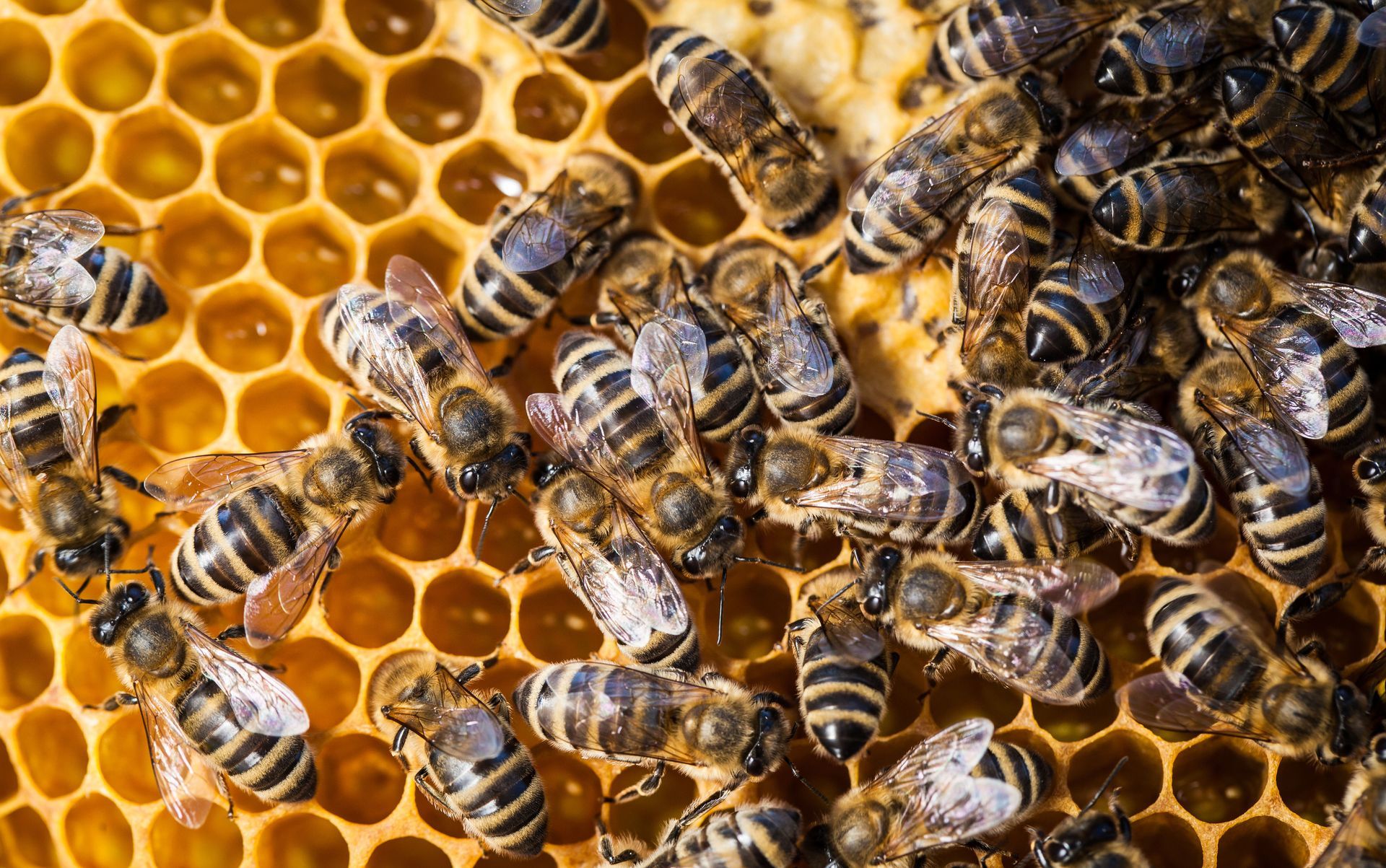
With the increasing prominence of ecological consciousness, control services have become indispensable in modern society. Bees are not just vital pollinators; they represent intricate threads in the web of life that maintain biodiversity and agricultural stability. As urban development expands and human activity overlaps with natural habitats, interactions between people and bees have become more frequent. These encounters often require thoughtful intervention, particularly when colonies establish themselves in homes, businesses, or high-traffic areas. The challenge lies in addressing human safety concerns while maintaining a deep respect for the essential ecological role bees play.
According to the Apiary Inspectors of America and associated research, over the year from April 2024 to April 2025, beekeepers in the US lost an estimated 55.6% of their managed honey bee colonies. This striking statistic highlights the urgency of adopting responsible and ethical approaches when managing bee populations. As awareness grows, bee control services are increasingly expected to balance removal and preservation, emphasizing humane solutions that protect both people and pollinators. Ethical bee management is no longer optional; it is a necessary evolution in how society coexists with nature.
Recognizing the Ecological Importance of Bees
All bees play a foundational role in pollination, which supports the reproduction of flowering plants and the production of fruits, vegetables, and seeds. Their activity directly impacts food systems and global agriculture, making them indispensable to human survival. Without healthy bee populations, crop yields would decline, and food diversity would diminish. Bee control services must take this into account, approaching each situation with an understanding that every colony contributes to a much larger ecological picture.
Beyond agriculture, bees are vital contributors to biodiversity. They support plant life that forms the basis of many ecosystems, enabling habitats for other species to thrive. When bee populations decline, the ripple effects can be seen across entire food chains. Ethical management practices within bee control services aim to protect these interconnected systems by minimizing harm and prioritizing relocation over elimination whenever possible.
Bees also act as indicators of environmental health. Changes in their populations can signal broader ecological issues such as pollution, habitat loss, or climate shifts. Monitoring and protecting bees offers insight into the condition of the natural world. By incorporating environmentally conscious strategies, hive control services contribute not only to immediate problem-solving but also to long-term ecological awareness and preservation.
Addressing the Challenges of Bee Management
Managing bee populations in human environments requires a detailed understanding of species behavior and habitat needs. With thousands of bee species worldwide, each with unique characteristics, identifying the type of bee involved is critical. Some species are solitary and less likely to pose risks, while others form large colonies that require careful handling. Bee control services must adapt their approach based on these distinctions to avoid unnecessary disruption.
Balancing human safety with conservation goals presents an ongoing challenge. Property owners often seek immediate solutions when bees are present, especially in high-risk areas. However, eliminating colonies can have lasting environmental consequences. Bee control services that prioritize ethical practices focus on alternatives such as relocation, creating a balance between resolving human concerns and preserving ecological value.
Urbanization adds another layer of complexity to hive management. Expanding cities reduce natural habitats and force bees into closer contact with people. Limited green spaces and increased pollution can further stress bee populations. Bee control services are increasingly tasked with navigating these urban challenges, finding ways to protect both human environments and the bees adapting to them.
Applying Principles of Ethical Bee Control
Ethical bee management begins with non-lethal removal techniques. Relocation of hives to safer, more suitable environments allows colonies to continue functioning without posing risks to people. This approach reflects a shift in how bee control services operate, emphasizing preservation rather than destruction. Skilled handling and proper equipment play a significant role in making these efforts successful.
Seasonal awareness is another important factor in ethical bee control. Bees are more vulnerable during certain times of the year, such as during brood development or colder months. Intervening at the wrong time can weaken or destroy entire colonies. Bee control services that account for seasonal patterns can reduce stress on bees and improve relocation outcomes, supporting long-term survival.
Education and community involvement further strengthen ethical practices. When people understand the importance of bees and how to respond to their presence, unnecessary panic and harmful actions can be avoided. Bee control services often play a role in educating clients, offering guidance on prevention and coexistence. This collaborative approach fosters greater respect for pollinators and encourages more sustainable behaviors.
Embracing Innovations in Bee Management
Advancements in technology are transforming how bee populations are monitored and managed. Tools such as drones allow for non-intrusive observation of hives and surrounding environments. These technologies provide valuable data without disturbing the bees, enabling more precise and informed decision-making. Bee control services that adopt these tools can improve both efficiency and outcomes.
Smart hive systems represent another innovation in bee management. Equipped with sensors, these systems track temperature, humidity, and activity levels within colonies. Real-time data helps identify potential issues early, allowing for timely intervention. Bee control services can use this information to support healthier relocations and better long-term colony stability.
Software platforms are also playing an increasing role in tracking bee health and environmental conditions. By analyzing patterns and trends, these systems offer insights that can guide more effective strategies. Bee control services that integrate data-driven approaches are better positioned to adapt to changing conditions and support sustainable practices.
Learning from Successful Bee Management Efforts
Urban beekeeping initiatives have demonstrated that bees and cities can coexist successfully. Rooftop hives, community gardens, and green spaces provide alternative habitats for bees while raising awareness among residents. These projects highlight how thoughtful planning and collaboration can benefit both people and pollinators. Bee control services often support these efforts by relocating colonies into such environments.
Relocation projects serve as practical examples of ethical intervention in action. When handled properly, entire colonies can be moved to safer locations where they continue to thrive. These efforts require coordination, preparation, and expertise, but the results show that humane solutions are both possible and effective. Bee control services that specialize in relocation contribute significantly to conservation goals.
Collaboration between scientists, beekeepers, and communities has also advanced bee management practices. Research provides valuable insights into bee behavior and health, while practical experience offers real-world applications. Bee control services benefit from these partnerships, gaining access to knowledge that enhances their ability to manage situations responsibly.
Ethical bee management represents a necessary shift in how society approaches interactions with pollinators.
Bee control services are at the forefront of this transformation, balancing the need for safety with the responsibility to protect vital ecosystems. By prioritizing non-lethal methods, embracing innovation, and fostering community awareness, these services contribute to a more sustainable relationship between humans and nature.
As environmental challenges continue to evolve, the importance of responsible bee management will only grow. Every action taken to preserve bee populations supports broader ecological stability and food security. If you encounter a bee-related concern, consider reaching out to professionals who focus on humane and environmentally conscious solutions. Taking that step not only addresses immediate needs but also contributes to the long-term well-being of one of nature's most essential species. Reach out to Bee Control Northwest today.